

Four days in Chamba, in a house the whole village once brought its wheat to.
A stream that still turns a mill, honey from the wall of a house, and herbs that leave as something you can keep.
H2O House, a mill over a hundred years old.
You stay in a house built over rushing water. For generations this was the village Gharat, the grinding mill, where families brought their wheat and the stream itself turned the stone that made their flour. The mill still runs, and the flour still reaches the breakfast table.
The huts sit above the water, so the sound of the stream is with you through the day. Food is satvik and local, cooked over a wood fire, sweetened with wild honey. The property is held for your cohort during your stay, with quiet corners for a child to draw and space for a parent to step away for half an hour.
How the trip is shaped.
Every day pairs a morning out in Chamba with an evening of making something to bring home. What Chamba does that no other station can: it shows a child how a plant becomes a thing people use. Honey from a wall. Oil from a leaf. Flour from a stream.
Arrival
Fly or take the train to Pathankot, then a scenic drive up to Chamba. The host meets you at the Chamba stop and brings you to the house. You settle in beside the water and eat together. No activity is asked of you on the first evening.

The wall of bees
A morning at the Khaddi, the traditional wall-hive built into stone, where a keeper opens a wooden hatch and shows the children the life inside. In the evening they bottle a small jar of Chamba honey and design its label to take home.

Plant to product
A morning meeting Himalayan herbs by hand, learning to tell floral from woody from resinous. Then a look at how a plant becomes something useful, drying, grinding, the still. In the evening each child mixes their own aromatic blend and presses a botanical card.

The Ravi and the mill
A morning down at the Ravi, turning over river-polished stones and looking for the small life in the water. Back at the house, the children watch the stream turn the old mill, grind a handful of grain, and bake bread from flour they made themselves.

This is the shape of a four-day visit. Families choose the experiences that suit the children coming, and your leader designs the days around them. The wall of bees and plant to product anchor every Chamba trip.

A small cloth pouch. Three or four things inside.
The jar of honey they bottled and labelled. An aromatic blend and a pressed botanical card from the herb day. A card for each experience they completed. A single-line note from the field leader with the child's name and one specific thing about them from the trip.
Eight cards you can collect at Chamba.
Every family that visits Chamba collects three or four cards. Come back for a second trip and the leader designs a different set. Collect all eight and you receive a handmade Chamba memorabilia, designed for this valley alone.
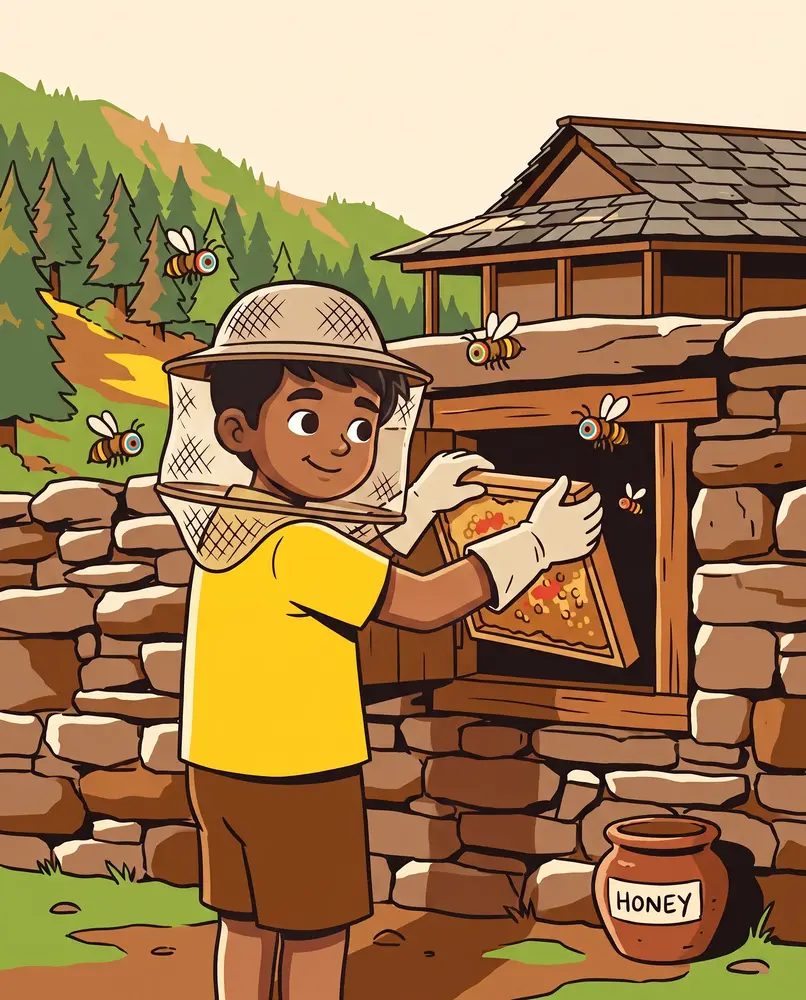 chamba
The Khaddi
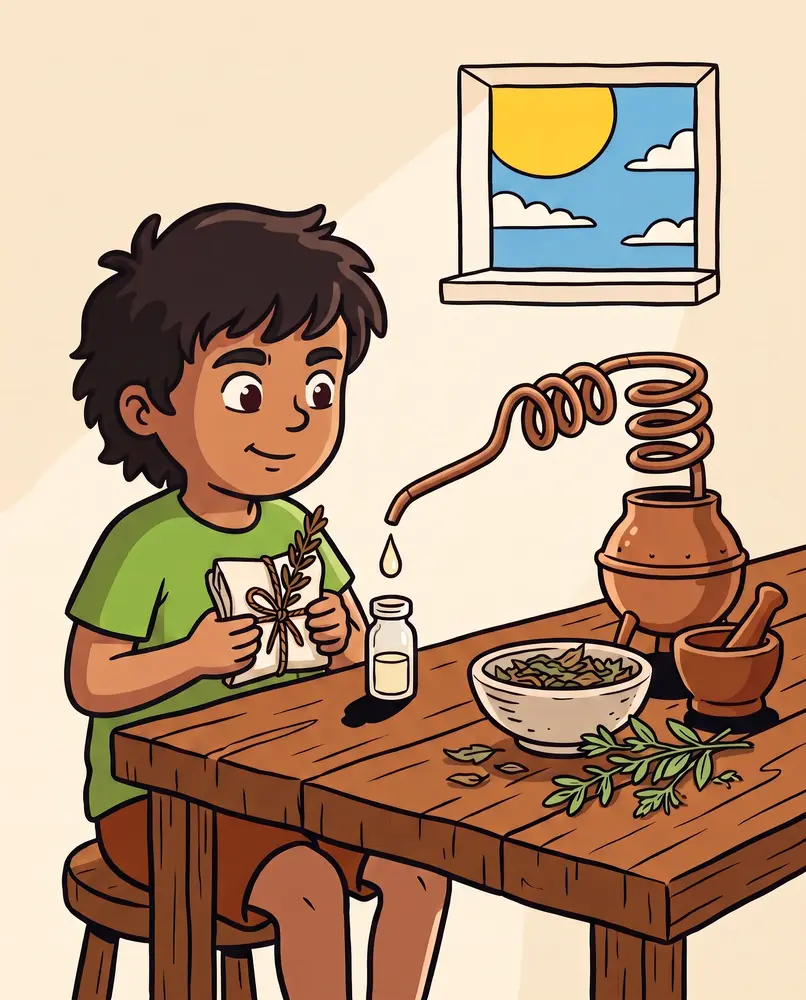 chamba
The Still
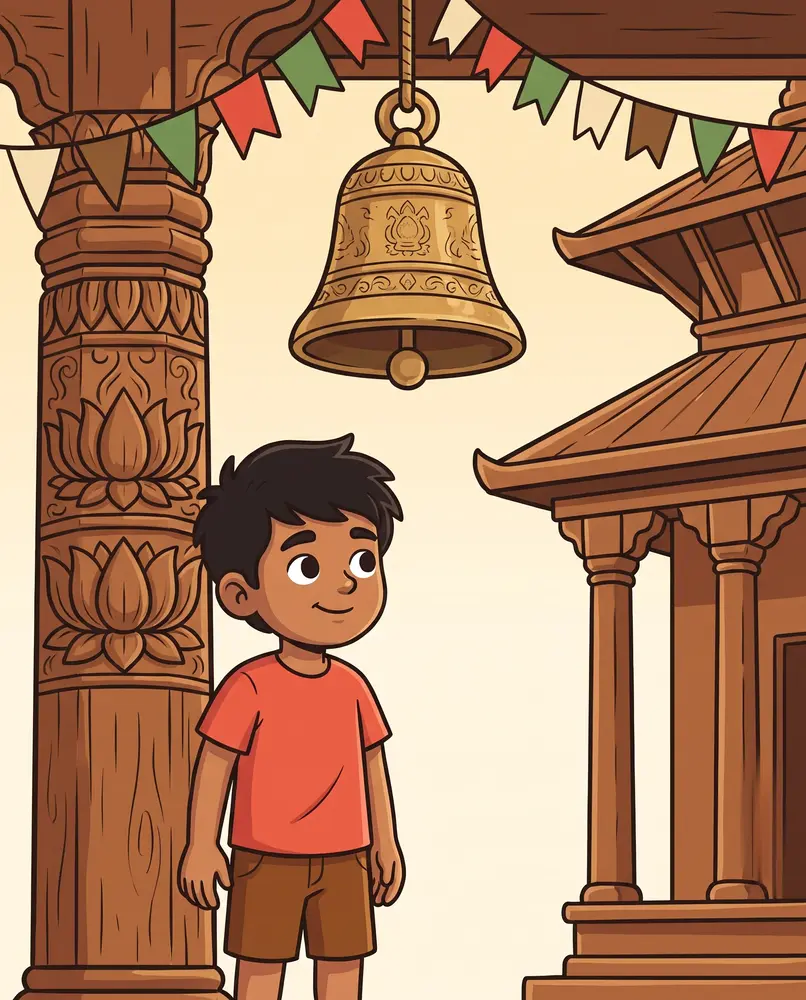 chamba
The Temple
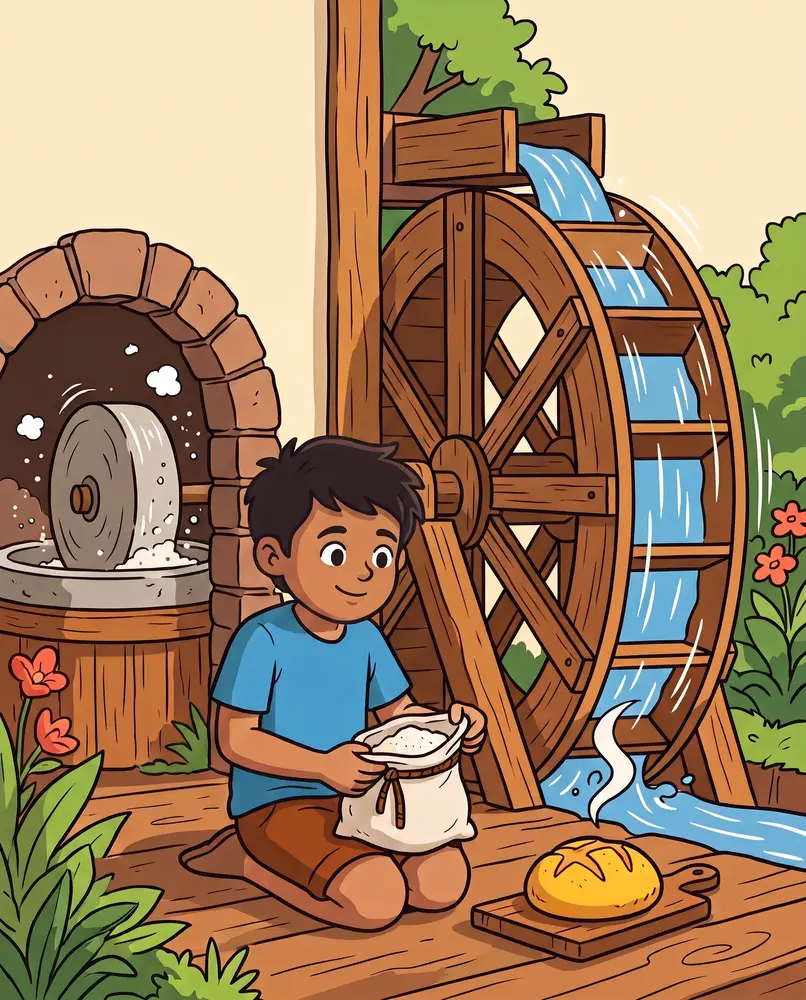 chamba
The Gharat
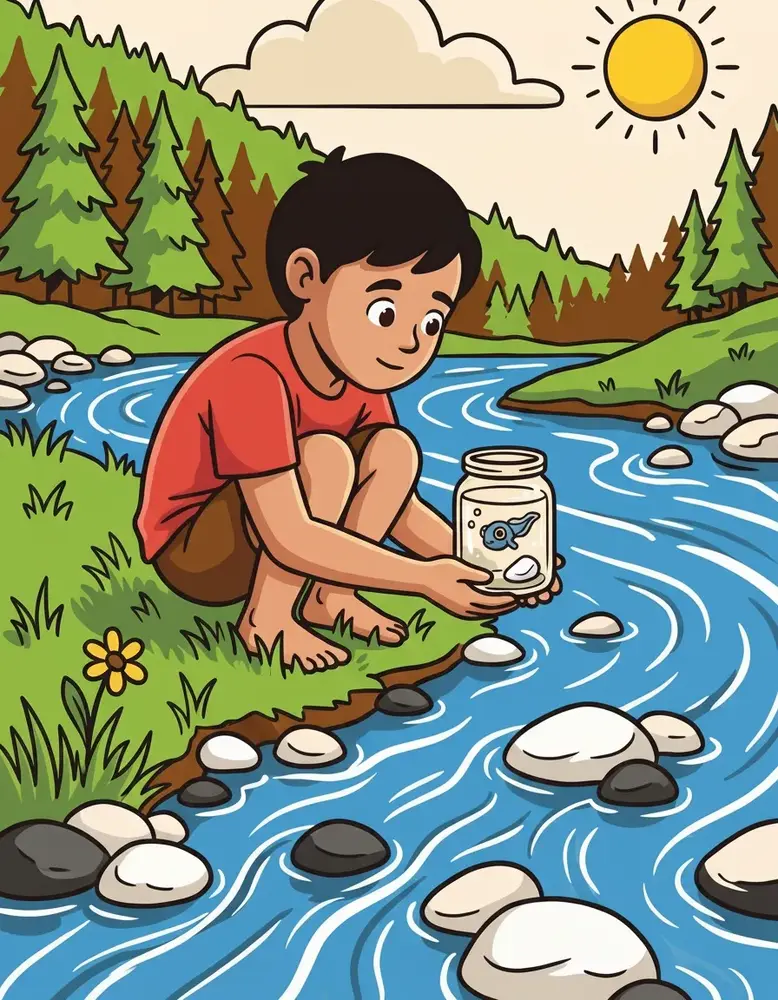 chamba
The Ravi
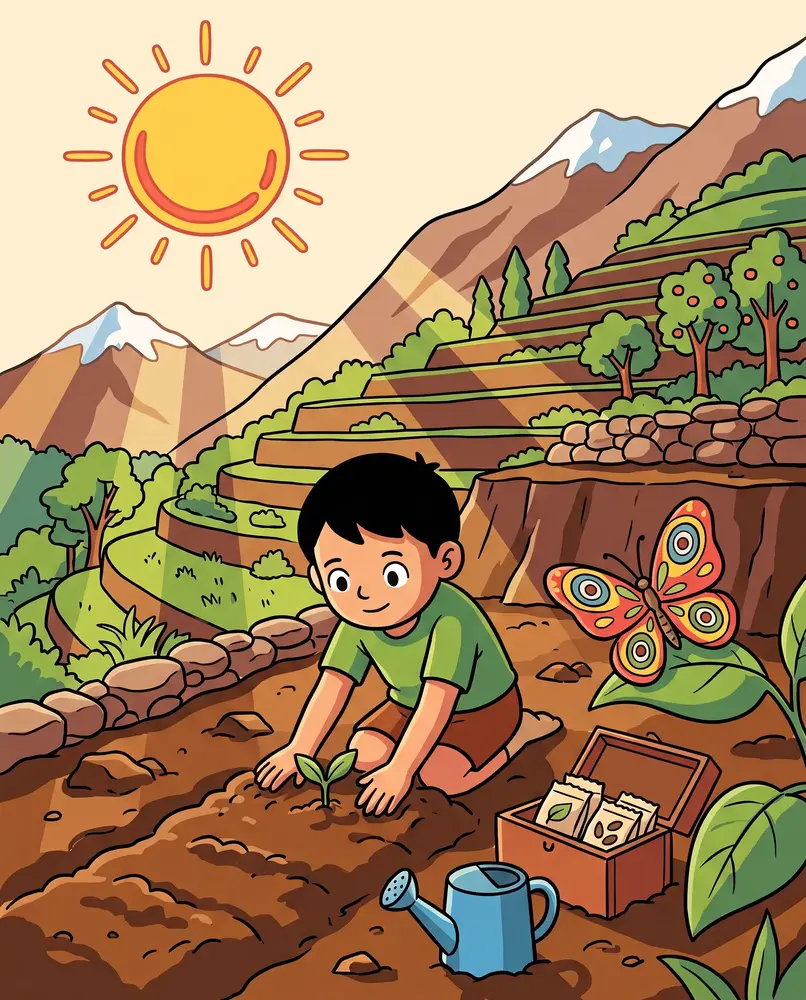 chamba
The Seedling
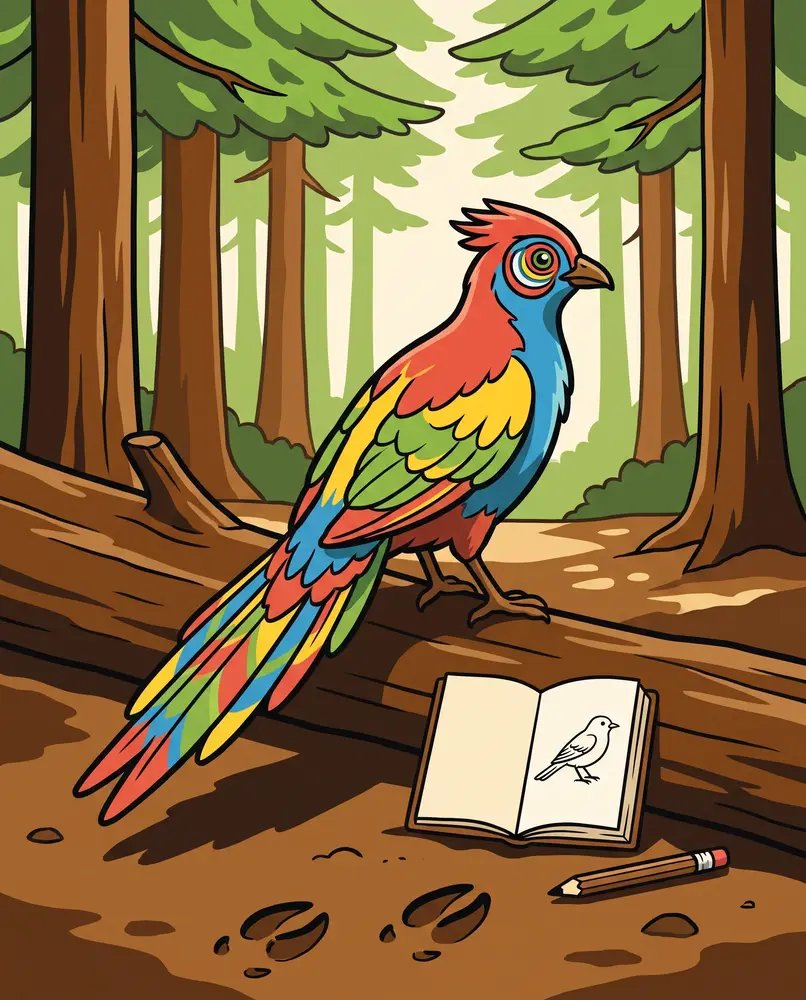 chamba
The Forest
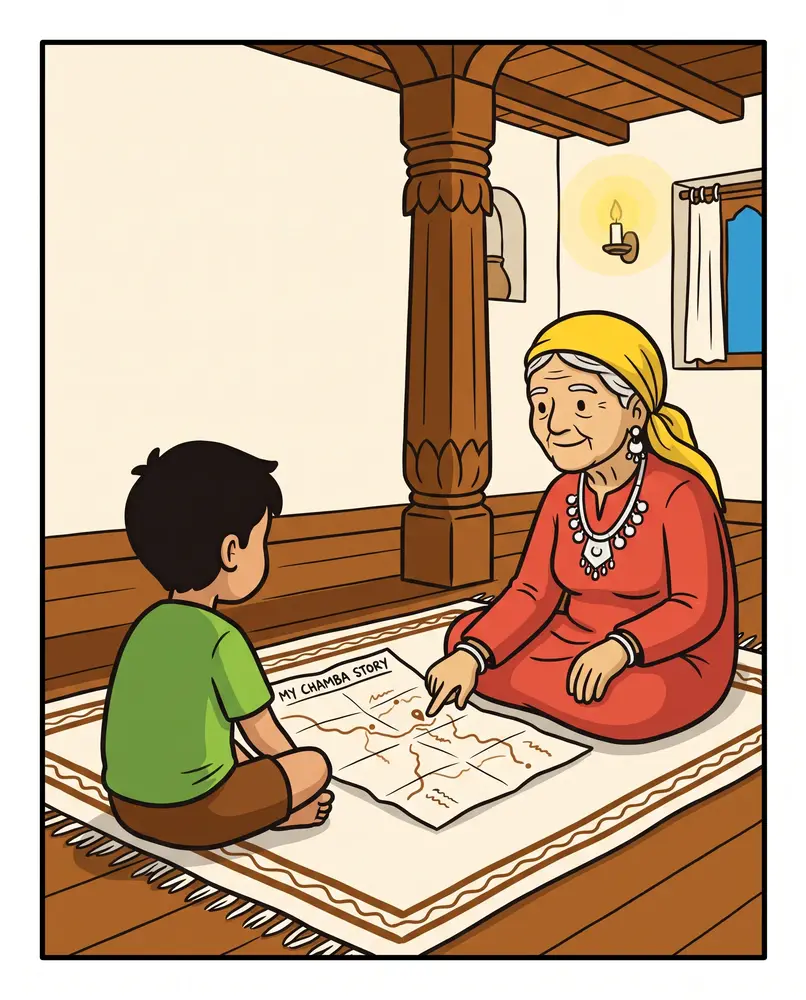 chamba
The Story

Your leader lives here.
Your Chamba field leader is a local expert who has spent years working with the honey, the herbs, and the people of this valley. Trained on the Wanderkin curriculum and the specific rhythm of this trip, he knows the wall-hives, the mill, and the families whose knowledge the children come to learn. His full name and a paragraph about him go into your confirmation pack, two weeks before you arrive.
Two ways in.
By air
Fly Delhi to Pathankot, the nearest airport, around 120 kilometres from Chamba. From Pathankot we drive you up to the valley. The host meets you at the Chamba stop and brings you the last stretch to the house.
By train
Overnight train from Delhi to Pathankot, roughly ten hours, then the drive up to Chamba. Consider this if the family prefers to sleep en route and arrive to the mountains fresh. We arrange the road leg and the pickup at the Chamba stop.
Two families ideal, one family possible. Fixed price per family regardless of cohort size. The property is held exclusively for you during your stay. Send us your dates and we design the trip for the children coming.
Request your dates